Coffee to Water Ratio Calculator: The Perfect Coffee Brew Ratio
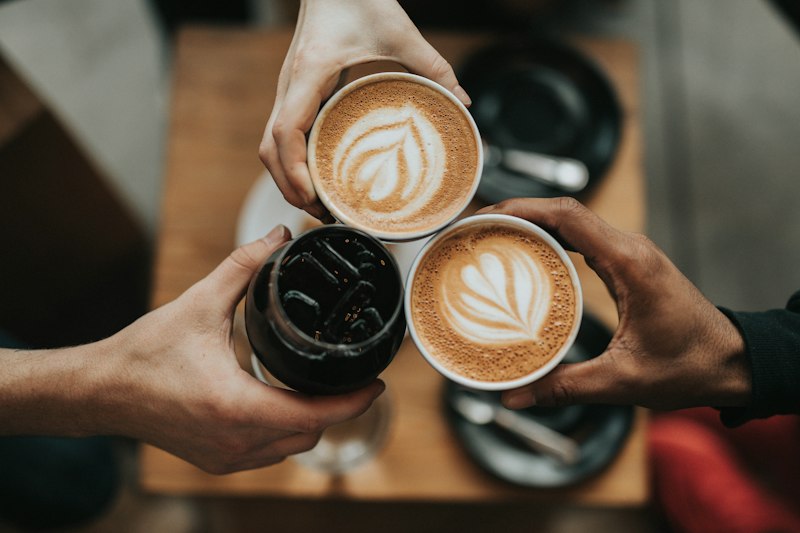
The perfect cup of coffee starts with the right coffee-to-water ratio. Whether you prefer a French press, pour-over, Aeropress, or espresso, the ratio of ground coffee to water determines your brew's strength and flavor. Our Coffee-to-Water Ratio Calculator takes the guesswork out of brewing by calculating exactly how much coffee you need based on your brew method and desired yield.
Standard Coffee Brew Ratios
The Specialty Coffee Association recommends a golden ratio of 1:16 to 1:18 (coffee to water) for drip and pour-over methods — meaning 1 gram of coffee for every 16-18 grams of water. French press uses a slightly stronger ratio of 1:12 to 1:15. Cold brew uses a much stronger ratio of 1:5 to 1:8 since it is diluted after brewing. Espresso uses a very fine ratio of 1:2 to 1:3. For a standard 12-cup (60 oz) drip coffee maker, you need approximately 75-85 grams of coffee (about 15-17 tablespoons) at a 1:16 ratio. Using too little coffee results in weak, over-extracted bitter flavors, while too much coffee wastes beans without improving taste.
Why Ratios Matter
Getting the ratio right is more important than the bean origin or roast level for a good cup. A 1:14 ratio produces a bold, full-bodied cup with intense flavor. A 1:18 ratio produces a lighter, more delicate cup where subtle tasting notes emerge. The ideal ratio depends on your personal preference and your brew method. Pour-over methods like V60 and Chemex shine at 1:16-1:17 ratios. French press benefits from 1:13-1:15 ratios because the metal filter allows more oils and fine particles through. Cold brew concentrate is typically brewed at 1:8 and diluted with equal parts water or milk. Using a kitchen scale provides the most consistent results — volume measurements (tablespoons) are less precise due to grind size and bean density differences.
Reading the Calculator's Output
Each result line has a direct use. For a 500 mL pour-over at the preset 1:16 ratio, the calculator divides water by the ratio — 500 ÷ 16 — and reports 31.3 grams of coffee, about 5.2 tablespoons. The strength label comes from the ratio itself: 1:17 or weaker reads "Light," 1:15 to 1:16 "Medium," 1:12 to 1:14 "Strong," and anything below that "Concentrate." The water volume line just shows your input converted to cups, so 500 mL displays as 2.1 cups.
Switch methods and watch the same 500 mL produce very different doses. French press at 1:14 calls for 35.7 g (about 6 tbsp). Cold brew concentrate at 1:6 needs 83.3 g, which is why the calculator defaults cold brew to a 500 mL batch — at that strength you would need roughly 167 g for a full liter. Espresso drops the water preset to 60 mL, where a 1:3 ratio yields a 20 g dose. If your brew tastes weak and sour, the extraction is running short — use a stronger ratio. If it tastes harsh and bitter, back off toward 1:17.
Batch Brewing Without the Guesswork
Scaling a single cup to a full batch is where most home brewers err. The ratio stays constant, so a 1 L French press at 1:14 needs 1,000 ÷ 14 = 71.4 g of coffee. For cold brew you typically brew concentrate at 1:6 and dilute 1:1 before serving — a 1 L batch of concentrate uses 167 g and yields about 2 L of drinkable coffee. Weighing matters more at these volumes: a tablespoon holds anywhere from 4 to 7 g depending on grind and packing, so a 30% dosing error is easy with volume alone. A $15-25 digital scale resolves that; weigh once, write the gram dose for your usual batch size on the bag, and replicate it every morning.
Grind size changes the number that will taste right even when the ratio stays fixed. A coarse grind for French press and cold brew extracts slowly, so the calculator's French press preset of 1:14 works well. A fine espresso grind extracts quickly, which is why espresso uses a 1:2 to 1:3 ratio; dosing that same fine grind into a pour-over at 1:16 would over-extract and turn bitter. When you switch beans, keep the ratio constant but adjust the grind first — a light roast usually needs slightly more coffee (moving toward 1:15) and a darker roast slightly less (toward 1:17) to balance perceived strength. The water temperature also matters: aim for 195-205°F, since water that is too hot over-extracts the same dose and makes it taste thin and bitter.
Related Calculators
Use our Cooking Converter for general recipe measurement conversions. The Caffeine Calculator tracks your daily caffeine intake. Our Weight Converter converts between grams and ounces for precise coffee measurements.
Keywords: coffee to water ratio, coffee ratio calculator, french press ratio, pour over coffee ratio, coffee brew ratio, perfect coffee ratio, coffee measurement, how much coffee per cup
Written by the CalcMaster Pro Editorial Team — financial, health, and DIY tools reviewed for accuracy. All calculators run on standard, widely accepted formulas. Always confirm final numbers with a qualified professional for decisions that require official figures.