Ovulation Calculator: Find Your Most Fertile Days
Understanding your ovulation cycle is key to family planning, Whether you're trying to conceive or practicing natural birth control. Our Ovulation Calculator estimates your fertile window — the days when you are most likely to become pregnant — based on your cycle length and the first day of your last period. Knowing your ovulation timing helps you plan intercourse for maximum conception chances or avoid pregnancy without hormonal contraception. Use our Ovulation Calculator to estimate your costs.
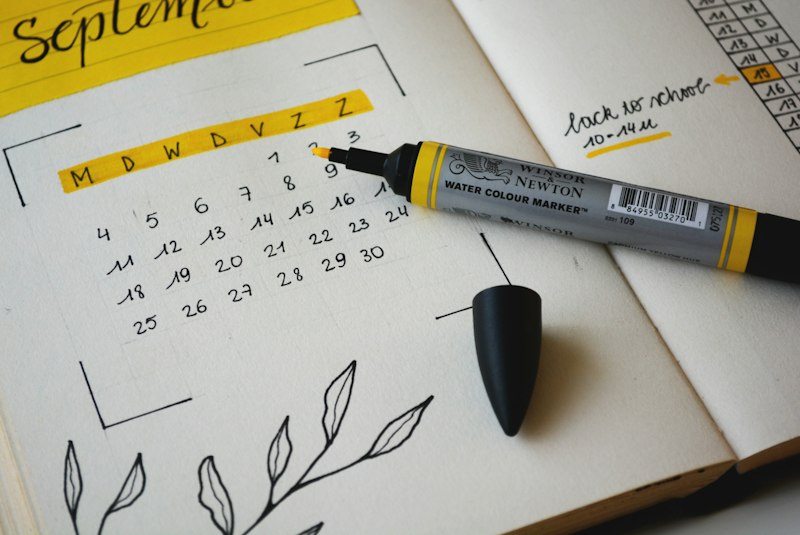
How Ovulation Works
Ovulation is the release of an egg from the ovary, which occurs approximately 14 days before your next period. The egg survives for about 12-24 hours after release. Sperm can survive in the female reproductive tract for up to 5 days. The fertile window is the 6-day period ending on the day of ovulation — the 5 days before plus the day of ovulation itself.
A typical menstrual cycle is 28 days, with ovulation on day 14. However, cycle lengths vary from 21 to 35 days, and ovulation timing varies accordingly. Our calculator adjusts for your specific cycle length.
Using the Ovulation Calculator
Enter the first day of your last menstrual period and your average cycle length. If you do not know your cycle length, the calculator uses 28 days by default. The calculator shows your estimated ovulation date, fertile window dates, and your next expected period date.
The calculator also provides a monthly calendar view showing your estimated fertile days, peak fertility day (day of ovulation), and non-fertile days. This visual guide helps you plan intercourse or track abstinence depending on your family planning goals.

Signs of Ovulation
In addition to calendar tracking, your body provides physical signs that indicate ovulation is approaching:
- Cervical mucus changes: Mucus becomes clear, slippery, and stretchy like egg whites during the fertile window. After ovulation, mucus becomes thick and cloudy again.
- Basal body temperature rise: Your resting temperature increases by 0.5-1°F after ovulation and stays elevated until your next period. Tracking BBT daily confirms ovulation occurred.
- Ovulation pain: Some women feel a mild cramp or twinge on one side of the lower abdomen around ovulation, known as mittelschmerz.
- Increased libido: Many women experience a natural increase in sex drive during the fertile window.
- Cervical position: The cervix becomes softer, higher, and more open during fertility. This takes practice to check but can be a reliable indicator.
Using Ovulation Tracking for Conception
For best conception chances, have intercourse every 1-2 days during the fertile window. The highest pregnancy rates occur when intercourse happens on the 2 days before ovulation. Sperm quality is best with daily or every-other-day ejaculation, so regular timing matters more than saving up sperm.
Factors that improve conception odds include: maintaining a healthy weight, reducing stress, avoiding alcohol and smoking, tracking ovulation with ovulation predictor kits (OPKs) for confirmation, and consulting a fertility specialist if you are under 35 and have been trying for 12+ months (or 6+ months if over 35).
Cycle Irregularities
If your cycles are irregular (varying by more than 7 days from month to month), calendar-based ovulation prediction is less reliable. Conditions like PCOS, thyroid disorders, and perimenopause can cause irregular cycles. In these cases, using ovulation predictor kits, BBT tracking, or consulting a healthcare provider provides more accurate results.
Start Calculating
Use our Ovulation Calculator below to identify your fertile window and plan your family journey. Also check our Pregnancy Due Date Calculator if you conceive and our Age Calculator for tracking milestones.
Worked Example: A 32-Day Cycle Walkthrough
The calculator uses one simple relationship: subtract a 14-day luteal phase from your cycle length to find the ovulation day, then anchor everything to that date. Suppose your last period started on March 1 and your average cycle is 32 days. The calculator computes ovulation as the LMP plus the cycle length minus 14, so March 1 plus 18 days gives March 19. The fertile window opens five days earlier, on March 14, and closes one day after ovulation, on March 20, because sperm can survive up to five days while the egg lasts only about 12-24 hours. Your next period is predicted as March 1 plus 32 days, or April 2, and the estimated conception date, useful when confirming a pregnancy later, is the day after ovulation, March 20.
Contrast that with a standard 28-day cycle. Ovulation lands on March 15 (March 1 plus 14), the fertile window spans March 10-16, and the next period is March 29. The shift between the two examples shows exactly why entering your own cycle length matters: a 4-day difference in cycle length moves the entire fertile window by four days. Relying on the 28-day default when your cycle is actually 32 days would place your most fertile days four days too early.
It also helps to know how the calculator defines its window. The fertile window is ovulation minus 5 through ovulation plus 1, or seven calendar days. The day of ovulation itself is the highest-probability day, and the two days before it are nearly as strong because sperm stored in the reproductive tract can be present when the egg is released. Using the calculator near the start of each cycle, then confirming with an ovulation predictor kit in the days before the predicted window, gives you the most reliable picture.
Related Calculators
Use our Ovulation Calculator Guide together with related tools such as Air Fryer Converter, Baby First Year Cost Calculator, Carbon Footprint Calculator to plan more accurately. Each calculator runs instantly in your browser with step-by-step guidance.
Written by the CalcMaster Pro Editorial Team — financial, health, and DIY tools reviewed for accuracy. All calculators run on standard, widely accepted formulas. Always confirm final numbers with a qualified professional for decisions that require official figures.